

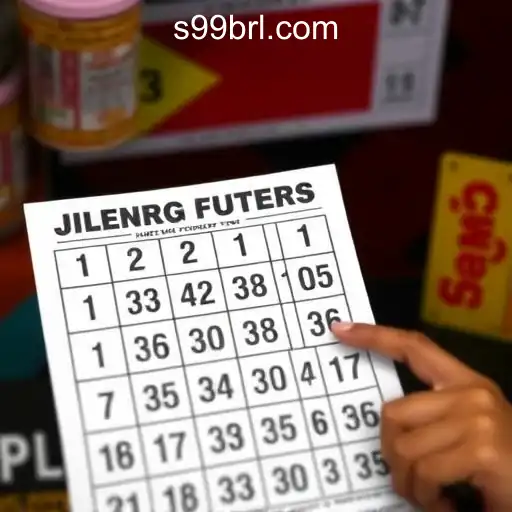

The world of gambling is diverse and multifaceted, with each region offering unique practices and traditions. In the Philippines, jueteng stands as a distinct and controversial form of gambling that has pervaded the country for centuries. Jueteng is an illegal numbers game that, despite its illicit nature, continues to thrive in various communities. This article delves into the intricate details of jueteng, exploring its history, cultural significance, and ongoing impact on Filipino society. Additionally, we will explore the online gambling landscape in Brazil, specifically looking at platforms like S99.COM Oficial Slots Brasil #1.
Jueteng traces its roots back to the Spanish colonial period in the Philippines, evolving over time into the form we recognize today. Traditionally, jueteng involves two numbers drawn from a set, and participants place bets on their chosen number combinations. The winning numbers are usually drawn twice a day, providing ample opportunities for enthusiasts to engage in this high-stakes gamble.
While the basic concept may seem straightforward, the operations behind jueteng are complex. A network of cobradores (bet collectors) works to gather bets from players, usually traveling from house to house or setting up unofficial booths. These cocobradores then remit the bets to a capitalista or banker, who oversees finances and manages payouts. The kubrador (draw master) is responsible for conducting the actual draw, which is often surrounded by rituals and superstitions.
One of the reasons jueteng remains prevalent is its economic impact on local communities. For many, the numbers game offers an alternative source of income, particularly in rural areas where employment opportunities are scarce. Jueteng injects liquidity into local economies, albeit through unofficial channels. The potential rewards from betting offer hope to those seeking financial relief, creating a cycle that's difficult to break.
However, this economic boon comes at a cost. Jueteng's illegal status means that it operates outside government regulations, resulting in lost tax revenues that could otherwise support public services. Moreover, the game's pervasive nature can lead to instances of corruption, with reports of local officials and police officers accepting bribes to turn a blind eye to its operations. This ongoing culture of corruption undermines trust in public institutions and complicates efforts to combat jueteng effectively.
Despite its legal status, jueteng holds a significant place in Filipino culture. For many, it represents more than just a chance to win money; it's a social ritual deeply embedded in everyday life. Participating in jueteng can be a communal activity, fostering connections among neighbors and community members. It's a way to engage with others, share aspirations and frustrations, and perhaps enhance one's fortunes.
The game's enduring presence can also be attributed to the cultural importance placed on fate and luck. Many Filipinos believe in the power of numbers and see jueteng as a legitimate way to divine the will of the universe. This integration of belief and practice gives jueteng a unique cultural resonance that goes beyond simple gambling.
Efforts to eradicate jueteng have been ongoing for decades, with varying degrees of success. Government crackdowns often lead to temporary disruptions in operations but fail to eradicate the game entirely. Part of the challenge lies in the game's adaptability; operators frequently change locations and methods to evade law enforcement.
Additionally, attempts to replace jueteng with legal alternatives have met with limited success. The government-sanctioned Small Town Lottery (STL) was introduced as a legitimate option, but concerns over corruption and mismanagement have hindered its effectiveness. Moreover, STL has not managed to capture the same cultural ties and sense of community that make jueteng appealing to many.
As we shift focus to the Brazilian gambling landscape, the digital domain presents a contrasting picture. Online platforms like S99.COM Oficial Slots Brasil #1 signify a rising trend in regulated online gambling. These platforms offer a wide array of options, including slots, table games, and live betting, catering to the diverse tastes of Brazilian players.
The appeal of online gambling lies in its convenience and accessibility. Players can engage in their favorite games from the comfort of their homes, enjoying a seamless experience that traditional setups might not provide. Additionally, platforms like S99.COM operate within legal frameworks, ensuring safety and transparency for participants. This regulatory compliance marks a departure from the shadowy world of games like jueteng, providing an opportunity for engagement that does not carry the same legal risks.
As the digital gambling scene continues to evolve, it will be intriguing to see how these developments influence traditional practices. While games like jueteng hold a firm cultural foothold, the allure of regulated and accessible online gambling platforms could pave the way for new trends in participation.

Explore the excitement of HugaChaga, a captivating game offered by S99.COM Oficial Slots Brasil #1. Delve into its introduction, rules, and its connection to current gaming trends.

Discover the thrilling world of GoHighJoker, the top slot game on S99.COM Oficial Slots Brasil #1, complete with an in-depth look at its features, gameplay, and the excitement it brings.

Dive into the enchanting world of Aladdin with S99.COM Oficial Slots Brasil, exploring the game's features, captivating storyline, and intuitive rules.

Explore the thrilling gaming experience of MrTreasuresFortune: a captivating slot game set in a world of adventure.

Dive into the vibrant world of LuckyDoggy, a captivating slot game available on S99.COM Oficial Slots Brasil #1, where luck and entertainment meet in a delightful casino experience.

Explore the exhilarating world of DevilFire, a prominent feature in S99.COM Oficial Slots Brasil #1, offering players an immersive experience filled with rules, excitement, and vivid narratives.
